القلق الحقيقي لا يبدأ من اختيار المقاول فقط
عندما يبدأ صاحب المنزل أو صاحب المشروع رحلة البناء أو التشطيب، يظن في البداية أن أصعب قرار هو العثور على المقاول المناسب أو مزود الخدمة الذي يستطيع تنفيذ العمل بجودة جيدة. لكن مع مرور الوقت، يكتشف أن هناك سؤالًا آخر لا يقل أهمية، بل قد يكون أكثر حساسية: متى أدفع؟ وكم أدفع؟ وهل من الآمن أن أسلّم دفعة قبل أن أرى نتيجة واضحة على الأرض؟ هذا السؤال يتكرر كثيرًا في مشاريع البناء والتشطيب والصيانة، لأن العلاقة بين العميل والمقاول لا تقوم على الكلام فقط، بل على التزام مالي متدرج يحتاج إلى وضوح وثقة وتوثيق. المشكلة أن كثيرًا من أصحاب المشاريع يدخلون هذه المرحلة وهم لا يملكون تصورًا كافيًا عن طريقة تقسيم الدفعات، فيقعون بين خيارين كلاهما مزعج: إما الدفع المبكر بشكل يضعهم تحت رحمة التنفيذ، أو تأخير الدفع بطريقة قد تربك المقاول وتؤثر على سير العمل.
لماذا تتحول الدفعات إلى نقطة توتر في مشاريع البناء؟
الدفعات في مشاريع البناء أو التشطيب ليست مجرد تحويل مالي بين طرفين، بل هي جزء من الثقة التي يقوم عليها المشروع. العميل يريد أن يشعر بأن أمواله في مكان آمن، وأن كل دفعة يدفعها تقابل تقدمًا حقيقيًا في العمل، بينما المقاول أو مزود الخدمة يحتاج إلى سيولة تساعده على شراء المواد، وتجهيز العمالة، وتحريك مراحل التنفيذ دون تعطل. عندما لا تكون هذه العلاقة واضحة منذ البداية، تبدأ مساحة سوء الفهم في الاتساع. قد يعتقد العميل أن المقاول يطلب دفعات متقدمة أكثر من اللازم، وقد يشعر المقاول أن العميل لا يثق به أو يؤخر مستحقاته دون سبب. وبين هذا وذاك، يصبح المشروع نفسه ضحية للتوتر، مع أن المشكلة كان يمكن تجنبها لو تم الاتفاق على مراحل واضحة ودفع آمن مرتبط بما يتم إنجازه فعلًا.
الخطأ الشائع: الدفع بناءً على الوعود لا على المراحل
من أكثر الأخطاء التي يقع فيها بعض أصحاب المشاريع أنهم يدفعون بناءً على وعود عامة، مثل أن العمل سيبدأ قريبًا، أو أن المواد سيتم توفيرها، أو أن الفريق جاهز للدخول إلى الموقع. المشكلة هنا ليست في الوعد نفسه، فقد يكون المقاول جادًا وصادقًا، لكن المشكلة أن الوعد غير الموثق لا يكفي لحماية العميل ولا يكفي لتنظيم العلاقة المالية. الدفع يجب ألا يكون مبنيًا على العاطفة أو الاستعجال أو الحرج، بل على مرحلة واضحة يمكن فهمها ومراجعتها. عندما يعرف العميل أن الدفعة مرتبطة ببداية محددة أو إنجاز ملموس أو تسليم جزء واضح من العمل، يصبح القرار المالي أكثر راحة. أما حين تكون الدفعات مفتوحة وغير مرتبطة بمخرجات، فإن المشروع يدخل في منطقة رمادية يصعب فيها تحديد من التزم ومن تأخر ومن أخطأ في التقدير.
تقسيم الدفعات يبدأ من وضوح نطاق العمل
قبل التفكير في الدفع، يجب أن يكون نطاق العمل واضحًا. لا يمكن تقسيم دفعات مشروع غير محدد، ولا يمكن حماية العميل ماليًا إذا كان الوصف نفسه عامًا أو قابلًا للتفسير بأكثر من طريقة. في مشاريع التشطيب مثلًا، قد يقول العميل إنه يريد تشطيب شقة أو فيلا، لكن هذه العبارة وحدها لا تكفي. هل يشمل العمل الأرضيات؟ هل يشمل الدهانات؟ هل يشمل الكهرباء والسباكة؟ هل المواد على العميل أم على المقاول؟ هل المطلوب تنفيذ كامل أم جزء محدد؟ كلما كان نطاق العمل أوضح، أصبح تقسيم الدفعات أكثر عدالة للطرفين. هنا تظهر أهمية المنصات التي تساعد العميل على عرض طلبه بطريقة منظمة بدلًا من الاكتفاء برسالة واتساب قصيرة أو مكالمة عابرة، لأن الوضوح في البداية يقلل المخاطرة عند الدفع لاحقًا.
الدفعة الآمنة ليست رفضًا للثقة بل تنظيم لها
هناك اعتقاد شائع أن الحديث عن الدفع الآمن يعني أن العميل لا يثق بالمقاول، وهذا غير صحيح. الثقة مهمة في أي مشروع، لكنها لا تعني أن تكون الأمور مفتوحة بلا ضوابط. الدفع الآمن لا يلغي الثقة، بل يجعلها قابلة للاستمرار، لأنه يضع قواعد واضحة تحمي الطرفين. العميل يشعر أن أمواله مرتبطة بتقدم حقيقي، والمقاول يعرف أن مستحقاته محفوظة عندما يلتزم بما تم الاتفاق عليه. في السوق التقليدي، كثير من الخلافات لا تبدأ بسبب سوء النية، بل بسبب غياب النظام. كل طرف يتذكر الاتفاق بطريقة مختلفة، وكل طرف يفسر المرحلة بطريقته، ثم يتحول الأمر إلى جدال طويل. أما عندما يكون هناك مسار واضح للدفع، فإن العلاقة تصبح أكثر هدوءًا، ويصبح التركيز على التنفيذ بدلًا من القلق المالي.
كيف يفكر العميل قبل دفع أي مبلغ؟
العميل الذكي لا يسأل فقط: هل هذا المقاول مناسب؟ بل يسأل أيضًا: ما الذي سيحدث بعد الدفع؟ هل توجد مرحلة واضحة؟ هل يوجد وصف للعمل؟ هل أعرف ما الذي سأراجعه قبل الانتقال للدفعة التالية؟ هذه الأسئلة لا تهدف إلى تعقيد المشروع، بل إلى حمايته. في مشاريع البناء والتشطيب، قد تبدو بعض التفاصيل بسيطة في البداية، لكنها تتحول لاحقًا إلى نقاط خلاف كبيرة. لذلك من الأفضل أن تكون كل دفعة مرتبطة بتوقع واضح. ليس المطلوب أن يصبح العميل خبيرًا ماليًا أو مهندسًا، بل أن يمتلك طريقة عملية تساعده على معرفة متى يدفع ولماذا يدفع وما الذي ينتظره بعد الدفع. هذه الطريقة هي ما يفتقده كثير من أصحاب المشاريع عندما يتعاملون بشكل مباشر وعشوائي مع أكثر من مزود خدمة في وقت واحد.
العلاقة بين الدفعات ومراحل التنفيذ
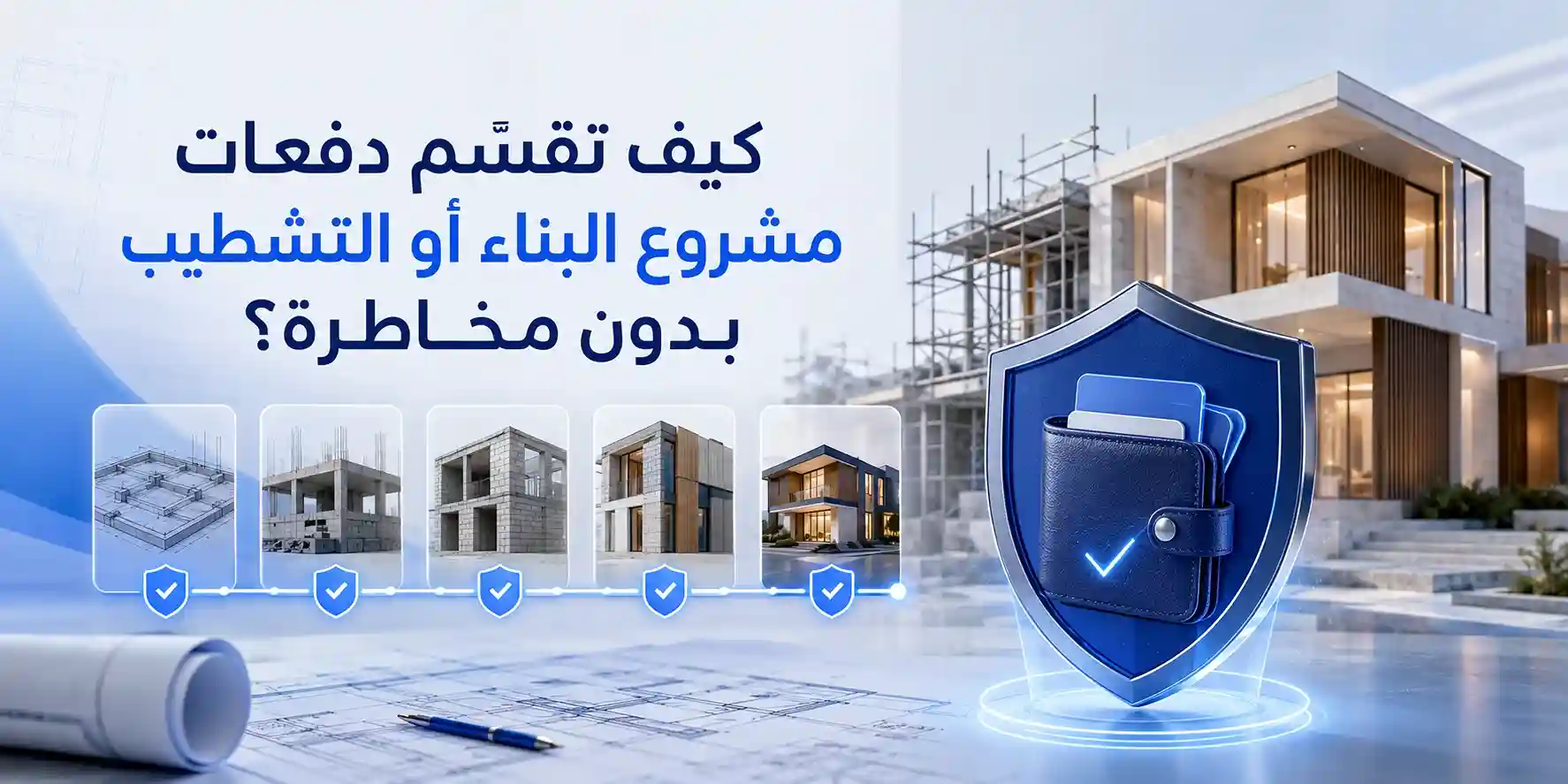
تقسيم الدفعات بطريقة آمنة يعني ببساطة أن المشروع لا يُعامل ككتلة واحدة، بل كمراحل متتابعة. كل مرحلة لها بداية، ومخرجات، ونقطة مراجعة، ثم قرار بالانتقال إلى ما بعدها. هذا الأسلوب يجعل العميل أكثر قدرة على المتابعة المالية دون أن يشعر بأنه دفع كل شيء قبل أن يرى نتيجة. كما يساعد المقاول على العمل ضمن تسلسل مفهوم بدلًا من الدخول في توقعات مفتوحة. في التشطيب مثلًا، قد تكون هناك مرحلة تجهيز، ثم مرحلة تنفيذ أساسية، ثم مرحلة إنهاءات، ثم مرحلة تسليم ومراجعة. المهم هنا ليس تسمية المراحل بقدر ما هو الاتفاق على معناها. عندما يعرف الطرفان ما الذي تعنيه كل مرحلة، تصبح الدفعات أكثر منطقية، ويقل احتمال الخلاف حول ما إذا كان العمل قد تقدم بما يكفي أم لا.
لماذا لا يكفي الاتفاق الشفهي؟
الاتفاق الشفهي قد يبدو مريحًا في البداية، خصوصًا عندما يكون التعامل مع مقاول موصى به أو مزود خدمة معروف، لكنه لا يكفي دائمًا عند حدوث خلاف. الذاكرة تختلف، والتوقعات تتغير، وتفاصيل المشروع قد تتسع مع الوقت. قد يطلب العميل تعديلًا إضافيًا ويظن أنه ضمن الاتفاق، وقد يرى المقاول أنه خارج نطاق العمل. قد يعتقد العميل أن الدفعة القادمة لا تستحق بعد، وقد يرى المقاول أنه أنجز ما يكفي لاستحقاقها. لذلك فإن توثيق الطلب والمراحل والدفعات ليس رفاهية، بل ضرورة عملية. عندما تكون التفاصيل مكتوبة وواضحة، لا يحتاج الطرفان إلى الرجوع للانطباعات، بل يعودان إلى ما تم الاتفاق عليه. وهذا ما يجعل تجربة الدفع أكثر أمانًا وأقل اعتمادًا على التقدير الشخصي.
مشكلة السوق ليست في المقاولين وحدهم
من المهم أن نكون منصفين عند الحديث عن مخاطر الدفعات. المشكلة ليست دائمًا في المقاول، وليست دائمًا في العميل. في كثير من الأحيان، المشكلة في طريقة السوق نفسها. هناك مشاريع تبدأ برسائل متفرقة، وصور غير واضحة، ووصف مختصر، ثم عروض مختلفة يصعب مقارنتها، ثم اتفاق سريع على التنفيذ دون تحديد كافٍ للمراحل. بعد ذلك تأتي الدفعات كأنها نتيجة طبيعية لهذا الغموض. فإذا كان الطلب غير واضح، فمن الطبيعي أن تكون العروض غير واضحة، وإذا كانت العروض غير واضحة، فمن الطبيعي أن تكون الدفعات محل خلاف. لذلك فإن الحل لا يبدأ عند لحظة الدفع فقط، بل يبدأ من طريقة عرض المشروع نفسها. كلما كان الطلب منظمًا منذ البداية، أصبحت الدفعات أكثر وضوحًا وأقل مخاطرة.
كيف تساعد سقف في تقليل المخاطرة المالية؟
هنا تظهر قيمة منصة سقف كحل جاء لمعالجة واحدة من أكثر المشكلات حساسية في سوق البناء والتشطيب: مشكلة الثقة المالية بين العميل ومزود الخدمة. سقف لا تجعل العميل يدخل المشروع بطريقة عشوائية، ولا تتركه يشرح طلبه مرات متعددة دون إطار واضح، بل تساعده على ترتيب تفاصيل مشروعه وعرضه بطريقة مفهومة تجعل التواصل مع مزودي الخدمة أكثر احترافية. وعندما تكون هناك فكرة للدفع الآمن وربط التنفيذ بمراحل واضحة، يصبح العميل أكثر اطمئنانًا لأنه لا يتعامل مع الدفعات كتحويلات مفتوحة، بل كجزء من مسار منظم. القيمة هنا ليست في الدفع فقط، بل في أن الدفع يصبح مرتبطًا بما تم الاتفاق عليه، وبما يمكن متابعته، وبما يجعل الطرفين أكثر التزامًا ووضوحًا.
الدفع الآمن يمنح العميل مساحة للتفكير لا مساحة للقلق
في التجربة التقليدية، يشعر العميل أحيانًا أنه مضطر للدفع بسرعة حتى لا يخسر المقاول أو حتى يبدأ العمل، ثم يعيش بعد ذلك حالة من القلق: هل سيبدأ التنفيذ؟ هل سيلتزم بالموعد؟ هل ستكون الجودة كما تم الاتفاق؟ هل أستطيع الاعتراض إذا لم تعجبني النتيجة؟ هذا القلق يستنزف العميل نفسيًا قبل أن يستنزفه ماليًا. أما عندما يكون الدفع أكثر أمانًا ومرتبطًا بمراحل، فإن العميل لا يشعر بأنه يقفز في المجهول. يصبح لديه تصور أوضح لما سيدفعه، ومتى سيدفعه، وما الذي يجب أن يتحقق قبل الانتقال للخطوة التالية. هذه المساحة من الطمأنينة هي ما يحتاجه السوق فعلًا، لأن كثيرًا من أصحاب المشاريع لا يبحثون فقط عن مقاول، بل يبحثون عن طريقة تقلل الخوف من القرار.
المقاول الجيد يستفيد أيضًا من وضوح الدفعات
قد يظن البعض أن الدفع الآمن يخدم العميل فقط، لكنه في الحقيقة يخدم المقاول الجاد كذلك. المقاول المحترف لا يريد أن يدخل في خلافات مستمرة حول مستحقاته، ولا يريد أن يضيع وقته في إقناع العميل بعد كل مرحلة بأنه أنجز ما عليه. عندما تكون الدفعات منظمة والمراحل واضحة، يعرف المقاول ما المطلوب منه، ومتى يستحق الدفع، وكيف يثبت تقدمه في العمل. هذا النوع من الوضوح يرفع مستوى التعامل في السوق، لأنه يميز مزودي الخدمة الجادين الذين يقبلون بالعمل وفق اتفاق واضح، ويمنحهم بيئة أكثر احترافية للتعامل مع العملاء. لذلك فإن الحل لا يضع العميل في مواجهة المقاول، بل يخلق أرضية مشتركة بين الطرفين، قائمة على الوضوح بدلًا من الشك.
متى تصبح الدفعة مخاطرة؟
تصبح الدفعة مخاطرة عندما تكون أكبر من مستوى الثقة المتاح، أو عندما تكون غير مرتبطة بمرحلة محددة، أو عندما لا يعرف العميل ما الذي سيحصل عليه مقابلها. وتصبح أكثر خطورة عندما لا يكون هناك توثيق واضح للطلب أو للمخرجات أو لطريقة المراجعة. في هذه الحالة، لا تكون المشكلة في المبلغ نفسه، بل في غياب الضمان المعنوي والتنظيمي حوله. العميل قد يدفع وهو لا يعرف ما إذا كان العمل سيبدأ كما توقع، والمقاول قد يستلم الدفعة وهو لا يملك تصورًا كافيًا عن التفاصيل التي يتوقعها العميل. لذلك فإن أفضل طريقة لتقليل المخاطرة ليست الخوف من الدفع، بل تحويل الدفع إلى جزء من اتفاق واضح. كل دفعة يجب أن تكون لها وظيفة داخل المشروع، لا أن تكون مجرد إجراء مستعجل لإنهاء التفاوض.
كيف ينجذب العميل إلى الحل عندما يرى المشكلة بوضوح؟
العميل لا يحتاج إلى وعود كبيرة بقدر ما يحتاج إلى أن يرى أن مشكلته مفهومة. عندما يسمع صاحب المشروع عن الدفع الآمن، فهو لا يفكر في التقنية نفسها فقط، بل يفكر في مواقف عاشها أو سمع عنها: مقاول تأخر بعد استلام دفعة، عمل لم يكتمل كما يجب، اتفاق غير واضح، أو خلاف حول ما تم تنفيذه. لذلك فإن قوة سقف تكمن في أنها لا تقدم نفسها كخيار إضافي في السوق فحسب، بل كطريقة أكثر ترتيبًا للتعامل مع مشكلة موجودة منذ زمن. المنصة تلامس نقطة حساسة عند العميل، وهي الخوف من دفع المال دون وضوح. وعندما يشعر العميل أن هناك مسارًا يساعده على عرض طلبه، استقبال العروض، وربط التنفيذ بمراحل مفهومة، يصبح الانجذاب إلى سقف طبيعيًا وليس نتيجة إعلان مباشر.
من الفوضى المالية إلى الوضوح العملي
كثير من مشاريع البناء والتشطيب لا تتعثر بسبب ضعف التنفيذ فقط، بل بسبب الفوضى التي تسبق التنفيذ. العميل يرسل صورًا هنا، ومقاسات هناك، ويتحدث مع أكثر من شخص، ثم يحاول تذكر من قال ماذا، ومن طلب دفعة، ومن وعد بموعد، ومن اشترط طريقة معينة للدفع. هذه الفوضى تجعل القرار المالي مرهقًا. سقف تعالج هذه المشكلة من جذورها من خلال جعل الطلب أوضح، والعروض أكثر قابلية للفهم، والمراحل أكثر قابلية للترتيب. عندما ينتقل العميل من المحادثات المتفرقة إلى منصة تساعده على تنظيم احتياجه، يصبح الدفع جزءًا من تجربة أوضح. هنا لا يشعر العميل أنه يطارد المقاول أو يخاف من خسارة ماله، بل يشعر أنه يتحرك داخل مسار أكثر هدوءًا واحترافية.
الدفع الآمن كعامل ثقة في السوق السعودي
السوق السعودي يشهد حركة كبيرة في البناء والتشطيب والصيانة، ومع هذا النشاط تزداد حاجة العملاء إلى حلول أكثر وضوحًا في التعامل مع مزودي الخدمة. صاحب المشروع اليوم لم يعد يبحث فقط عن شخص ينفذ، بل يبحث عن تجربة تحفظ وقته وماله وتقلل احتمالات سوء الفهم. فكرة الدفع الآمن تأتي في هذا السياق كعامل ثقة مهم، لأنها تعطي العميل شعورًا بأن التعامل لم يعد قائمًا على المجازفة الكاملة، وتعطي مزود الخدمة الجاد فرصة لإثبات احترافيته ضمن مسار واضح. ومع انتشار الحلول الرقمية في مختلف القطاعات، أصبح من الطبيعي أن ينتقل قطاع البناء والتشطيب أيضًا إلى نموذج أكثر تنظيمًا، حيث لا تكون الدفعات مجرد اتفاق سريع، بل جزءًا من تجربة أكثر نضجًا.
لا تدفع قبل أن تفهم ما الذي تدفع مقابله
هذه قاعدة بسيطة لكنها تختصر الكثير. قبل أن يدفع العميل، عليه أن يفهم ما الذي سيتم تنفيذه، وما حدود العمل، وما المرحلة التي ترتبط بها الدفعة، وما الذي يمكن مراجعته بعد ذلك. ليس الهدف أن يتحول العميل إلى مراقب قاسٍ أو أن يتعامل مع المقاول بريبة دائمة، بل أن يحمي نفسه من الغموض. كلما كان المقابل واضحًا، كان الدفع أكثر راحة. وكلما كانت المرحلة مفهومة، قلت احتمالات الخلاف. سقف تساعد في ترسيخ هذا النوع من التفكير لأنها تجعل الطلب أكثر تنظيمًا، وتفتح المجال أمام مقارنة أوضح للعروض، وتدعم فكرة أن التنفيذ لا ينبغي أن يكون قفزة واحدة غير محسوبة، بل مسارًا متدرجًا يستطيع العميل أن يفهمه قبل أن يلتزم ماليًا.
لماذا يحتاج صاحب المشروع إلى منصة لا إلى محادثة عابرة؟
المحادثة العابرة قد تكون مناسبة لسؤال سريع، لكنها ليست كافية لمشروع بناء أو تشطيب أو صيانة مهمة. هذه المشاريع تحمل تفاصيل كثيرة وتحتاج إلى وصف ووقت وتقدير ومراجعة. عندما يعتمد العميل على محادثات متفرقة، يصبح من الصعب عليه الرجوع إلى الصورة الكاملة. أما عندما يستخدم منصة مثل سقف، فهو لا يرسل طلبًا عشوائيًا، بل يبني صورة أوضح عن احتياجه. ومن هذه الصورة تبدأ الدفعات الآمنة في أن تصبح ممكنة، لأن الوضوح في الطلب يساعد على الوضوح في العرض، والوضوح في العرض يساعد على الوضوح في الدفع. لهذا السبب، لا تبدو سقف كمنصة وسيطة فقط، بل كحل عملي لمشكلة يومية يعاني منها كل من دخل مشروع بناء أو تشطيب وشعر أن التفاصيل أكبر من أن تُدار برسالة قصيرة.
الدفعات ليست نهاية الاتفاق بل اختبار لوضوحه
عندما يصل العميل إلى مرحلة الدفع، فهو في الحقيقة يختبر جودة الاتفاق الذي سبقه. إذا كان الاتفاق واضحًا، ستكون الدفعة مفهومة. وإذا كان الاتفاق غامضًا، ستبدو الدفعة مقلقة حتى لو كان المقاول جيدًا. لذلك يجب ألا ينظر صاحب المشروع إلى تقسيم الدفعات كخطوة مالية منفصلة، بل كنتيجة طبيعية لتنظيم الطلب والعرض والمراحل. وهذا ما يجعل فكرة سقف مهمة؛ لأنها تعيد ترتيب البداية قبل أن يتورط العميل في قرارات مالية غير مريحة. بدل أن يبدأ المشروع بسؤال مربك عن الدفعة، يبدأ بسؤال أوضح: ما المطلوب؟ من يستطيع تنفيذه؟ ما مراحل العمل؟ وكيف يكون الدفع أكثر أمانًا وارتباطًا بما يتم إنجازه؟
خلاصة: ادفع بوضوح ولا تدخل مشروعك بالمجازفة
مشروع البناء أو التشطيب ليس تجربة بسيطة يمكن التعامل معها بعشوائية، والدفعات ليست تفصيلًا جانبيًا يمكن تأجيل التفكير فيه إلى ما بعد اختيار المقاول. المال في هذه المشاريع يرتبط بالثقة، والثقة تحتاج إلى وضوح، والوضوح يحتاج إلى طريقة منظمة منذ البداية. عندما يدفع العميل دون تصور واضح للمراحل، فهو يضع نفسه أمام مخاطرة غير ضرورية. أما عندما يربط الدفع بالتنفيذ ويعتمد على مسار أكثر أمانًا، فإنه يحمي قراره ويمنح المشروع فرصة أفضل للنجاح. من هنا تأتي قيمة سقف؛ فهي تضع يدها على مشكلة حقيقية في السوق، وتقدم للعميل طريقة أكثر اطمئنانًا للتعامل مع المقاولين ومزودي الخدمة، من عرض الطلب واستقبال العروض إلى فهم المراحل والدفع بشكل أكثر أمانًا. وفي سوق مليء بالتفاصيل والتوقعات والوعود، قد يكون أكبر فرق يصنعه العميل لنفسه هو أن يبدأ مشروعه من مكان واضح، لا من محادثة مبعثرة ولا من دفعة غير محسوبة.