
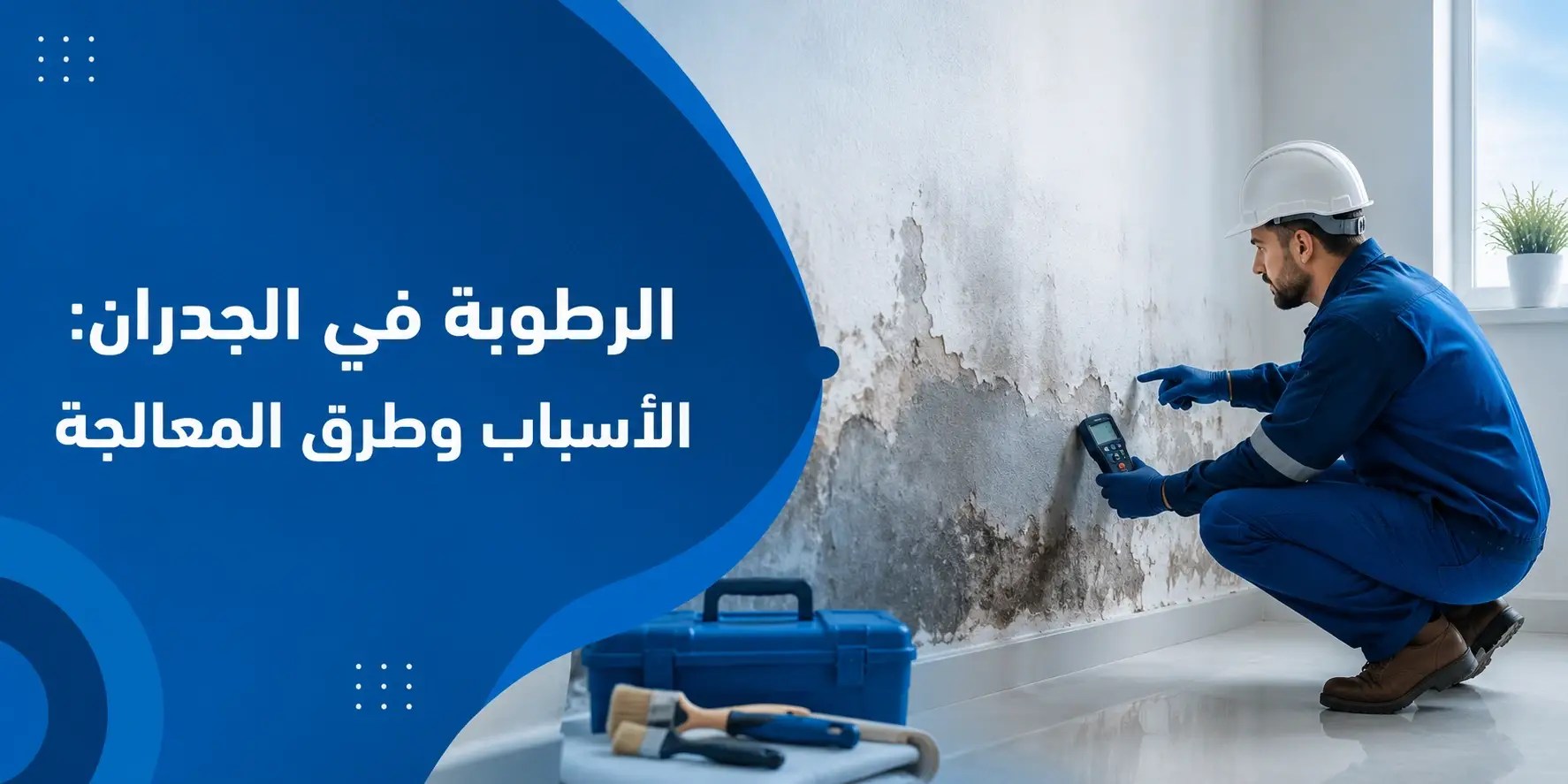
تُعد الرطوبة "السرطان" الذي يصيب المباني؛ فهي تبدأ كبقعة صغيرة لا تثير القلق، لكنها تنتهي ككارثة إنشائية وصحية إذا لم يتم التعامل معها بجذرية. في بيوتنا، لا تكتفي الرطوبة بتشويه الدهانات، بل تعمل كعامل هدم صامت يفتت اللياسة ويهاجم حديد التسليح، مما يهدد سلامة الهيكل الإنشائي بالكامل.
في منصة سقف، وجدنا أن الخطأ الأكبر هو التعامل مع الرطوبة كـ "مشكلة دهان"، بينما هي في الحقيقة "مشكلة عزل وتمديدات". إليك التفاصيل لفهم أبعاد هذه المشكلة وطرق حلها من أساسها.
أولاً: التشخيص الدقيق (لغة الجدران التحذيرية)
قبل البدء في أي إصلاح، يجب أن تتعلم كيف "تقرأ" جدرانك. الرطوبة تترك بصمات تختلف باختلاف مصدرها:
ظاهرة "التزهير أو الترسبات" (Efflorescence): ظهور بودرة بيضاء أو بلورات ملحية على سطح الجدار. هذا يعني أن المياه تتبخر وتترك الأملاح التي سحبتها من قلب الطوب والأسمنت.
انفصال النعلات والأرضيات: إذا بدأت "النعلات" في الانفصال عن الجدار، أو لاحظت تغير لون الرخام أو السيراميك القريب من الجدران، فهذا مؤشر قوي على رطوبة صاعدة من الأرض.
تآكل قاعدة الجدار: عندما يتركز تقشر الدهان في المتر الأول من الأرض صعوداً، فنحن أمام "خاصية شعرية" ناتجة عن مياه تحت الأرض.
بقع العفن الأسود (Mold): تظهر غالباً في الزوايا العلوية والأسقف، وهي ناتجة عن تكثف بخار الماء بسبب سوء التهوية وفرق درجات الحرارة.
ثانياً: الأسباب الاستراتيجية
معالجة الرطوبة بدون معرفة السبب هي إهدار للوقت والمال. الأسباب تنقسم إلى ثلاث فئات رئيسية:
1. الخاصية الشعرية (الصعود من القواعد)
الخرسانة والطوب مواد مسامية تحتوي على أنابيب مجهرية. إذا لم يتم عزل "الميدة" والقواعد بشكل احترافي أثناء البناء، فإن الجدار يسحب المياه الجوفية أو مياه الري من التربة للأعلى (مثل الفتيل). هذه الرطوبة هي الأكثر تدميراً لأنها تحمل معها أملاح التربة الحارقة للخرسانة.
2. التسريبات الهيدروليكية (خلف الكواليس)
كسر بسيط في ماسورة تغذية، أو تآكل في فواصل السباكة داخل الحمامات والمطابخ، يؤدي لتسرب مياه مستمر. هذه المياه لا تسقط للأسفل دائماً، بل تنتشر أفقياً داخل الجدار لمسافات بعيدة، مما يجعل تحديد مكان الكسر صعباً بدون أجهزة متخصصة.
3. فشل منظومة العزل الخارجي
في المنازل التي تتعرض واجهاتها للأمطار أو الرش المستمر، يؤدي وجود شروخ مجهرية في اللياسة الخارجية أو ضعف في "بروفايل" الواجهة إلى نفاذ المياه لقلب الجدار، لتظهر لاحقاً على شكل بقع رطوبة داخل الغرف.
ثالثاً: طرق المعالجة
في سقف، نرفض حلول "الترقيع". المعالجة النهائية تتطلب اتباع الخطوات الهندسية التالية بالترتيب:
كشف المصدر ومعالجته: لا تبدأ بالدهان والماسورة لا تزال تسرب! يجب استخدام أجهزة الكشف الحراري لتحديد مكان التسريب بدقة وإصلاحه، أو معالجة مصدر المياه الجوفية المحيط بالمنزل.
التعرية الإنشائية: يتم إزالة الدهان واللياسة المتضررة تماماً. في الحالات المتقدمة، يجب الوصول إلى "البلوك" وتركه مكشوفاً لمدة لا تقل عن 48 ساعة للتجفيف الطبيعي.
المعالجة الكيميائية العميقة: يتم دهان الطوب بمواد كيميائية سائلة (مثل الإيبوكسي الشفاف أو المواد السمنتية العازلة) التي تتغلغل داخل المسام وتسدها، مما يمنع خروج أي رطوبة متبقية مستقبلاً.
التأسيس والدهان: يتم وضع طبقة "أساس" (Primer) مقاومة للأملاح قبل البدء في وضع المعجون والدهان النهائي.
رابعاً: كيف تضمن "سقف" حماية منزلك من عودة الرطوبة؟
نحن نعلم أن الرطوبة مشكلة "عنيدة"، لذلك وفرنا نظاماً يضمن لك حلاً دائماً وليس مؤقتاً:
خبراء متخصصون: المنصة توفر لك مقاولين معتمدين في "العزل والترميم" يمتلكون المعرفة العلمية بكيمياء المواد، وليس مجرد عمالة عشوائية.
المحفظة الرقمية والضمان: نظام الدفع في سقف يحميك؛ حيث يتم جدولة الدفعات بحيث لا تكتمل إلا بعد اختبار نجاح المعالجة. هذا يضمن التزام المقاول بأدق التفاصيل الفنية.
التوثيق والرقابة: يمكنك طلب تقارير مصورة لكل مرحلة (من تكسير وعزل وتجفيف)، لتكون على دراية بأن العمل تم وفق أصول المهنة وليس مجرد تغطية للمشكلة.
حلول مطابقة للكود السعودي: نلتزم بتطبيق معايير الكود السعودي في العزل والترميم، مما يضمن ديمومة الإصلاح ويرفع من قيمة عقارك الاستثمارية.
الخلاصة
الرطوبة ليست مجرد مشكلة جمالية، بل هي تهديد مباشر لسلامة مسكنك وصحة عائلتك (حيث تسبب الحساسية وأمراض الجهاز التنفسي). الاستثمار في معالجة احترافية عبر منصة سقف اليوم هو توفير لآلاف الريالات التي قد تضطر لدفعها مستقبلاً لإصلاح انهيارات إنشائية لا قدر الله.